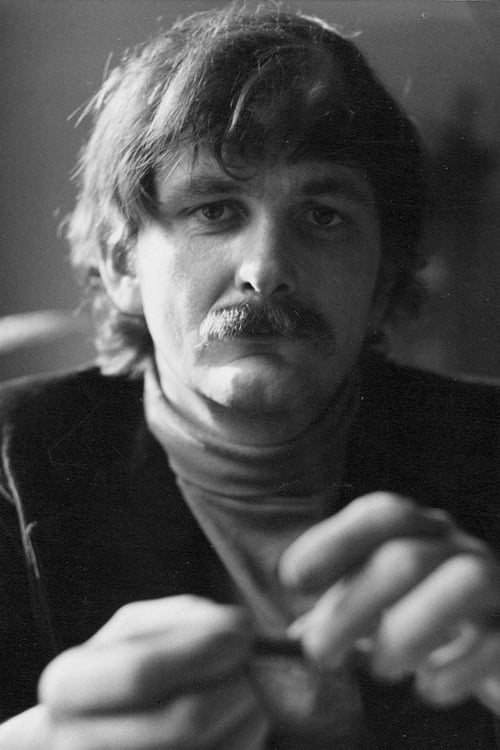
Paul Cox, born Paulus Henrique Benedictus Cox, was a Dutch-Australian filmmaker often described as "Australia's most prolific film auteur." Over a career spanning several decades, he became a distinctive voice in Australian cinema, known for his deeply personal and humanist approach to storytelling.
Highlights of his career include his 1981 film *Lonely Hearts*, which brought him early critical recognition, and *Man of Flowers* (1983), a work that cemented his reputation as an original filmmaker. *Cactus* (1986) and *Vincent* (1987) further demonstrated his range, while *A Woman's Tale* (1991) earned widespread acclaim for its moving portrayal of mortality and dignity. *Innocence* (2000) won the Grand Prix at the Montreal World Film Festival, one of his most notable international honors.
Cox also directed *Exile* (1994), *Molokai: The Story of Father Damien* (1999), and the documentary *Kaluapapa* (1999). His contributions to Australian culture were recognized when he was appointed a Member of the Order of Australia in 2012. Across his career, he made more than 30 films, including features, documentaries, and shorts, and his work was celebrated at retrospectives and festivals worldwide. He remained active as a filmmaker into his later years, and his legacy endures as one of Australian cinema's most individual and prolific creative figures.